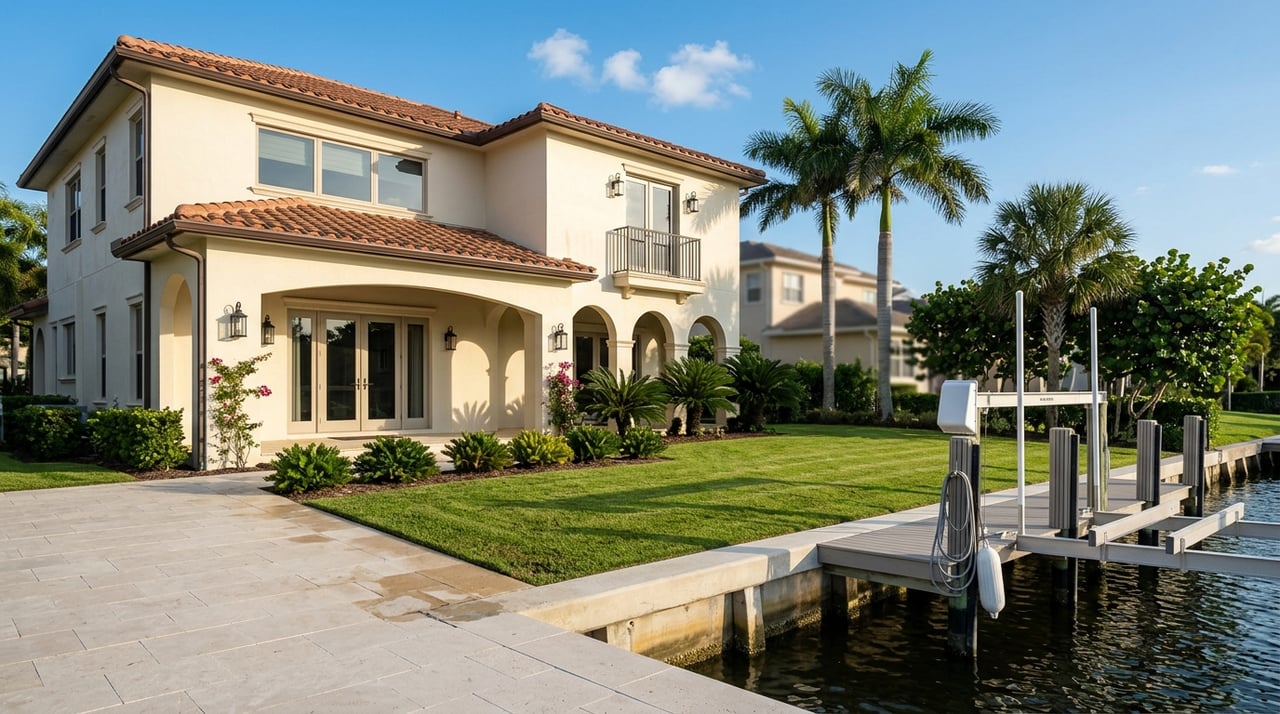
If dock access is at the top of your wish list, buying in Locks Landing can look simple at first glance. You see a boating-oriented community, attractive single-family homes, and the promise of life near the waterway. But in this neighborhood, dock access is not one-size-fits-all, and the details matter more than many buyers expect. This guide will help you ask the right questions, compare homes wisely, and buy with more confidence. Let’s dive in.
Why dock access needs a closer look
Locks Landing is an established Martin County community with a Stuart mailing address, and county plat records show the subdivision was recorded in phases in 1995, 1997, and 1999. Public records also show both the Locks Landing Homeowners Association and a separate Locks Landing Community Docking Facility Condominium Association are active. That matters because a home purchase may involve more than just the main HOA if boating access is part of the package.
For you as a buyer, the key takeaway is simple. You should never assume a dock slip automatically comes with the house. In Locks Landing, the dock component may be structured separately from the home itself, so confirming exactly what conveys is one of the first steps in a smart purchase.
What homes are typically like
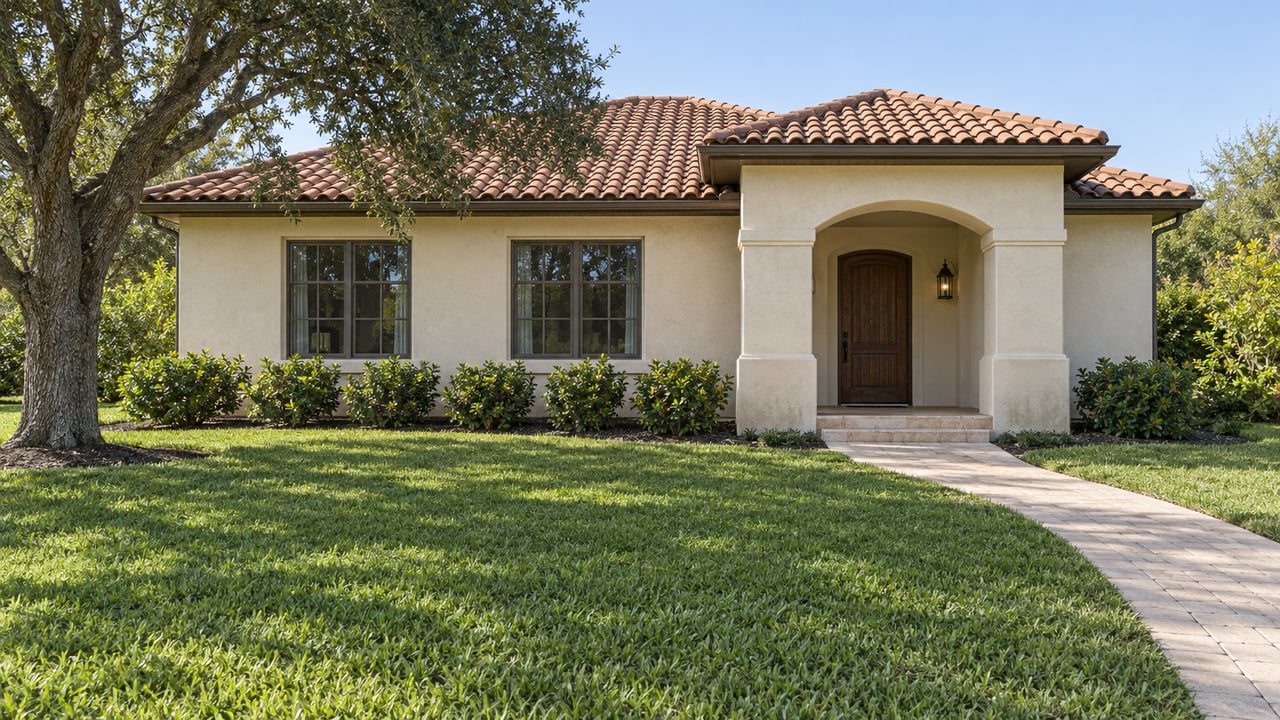
Recent listings suggest Locks Landing is made up mostly of single-family homes on relatively generous lots. Many lots are around 0.37 to 0.50 acres, with home sizes often ranging from roughly 1,780 to 2,817 square feet and build years commonly clustered from 1998 to 2003.
You may also see a mix of lot types, including lake-view, preserve, corner, estate-section, and pie-shaped parcels. That variety can affect privacy, layout, and your day-to-day boating convenience. A home can fit your style on paper but still feel less practical if the dock setup does not match how you actually use your boat.
Dock access is not the same on every property
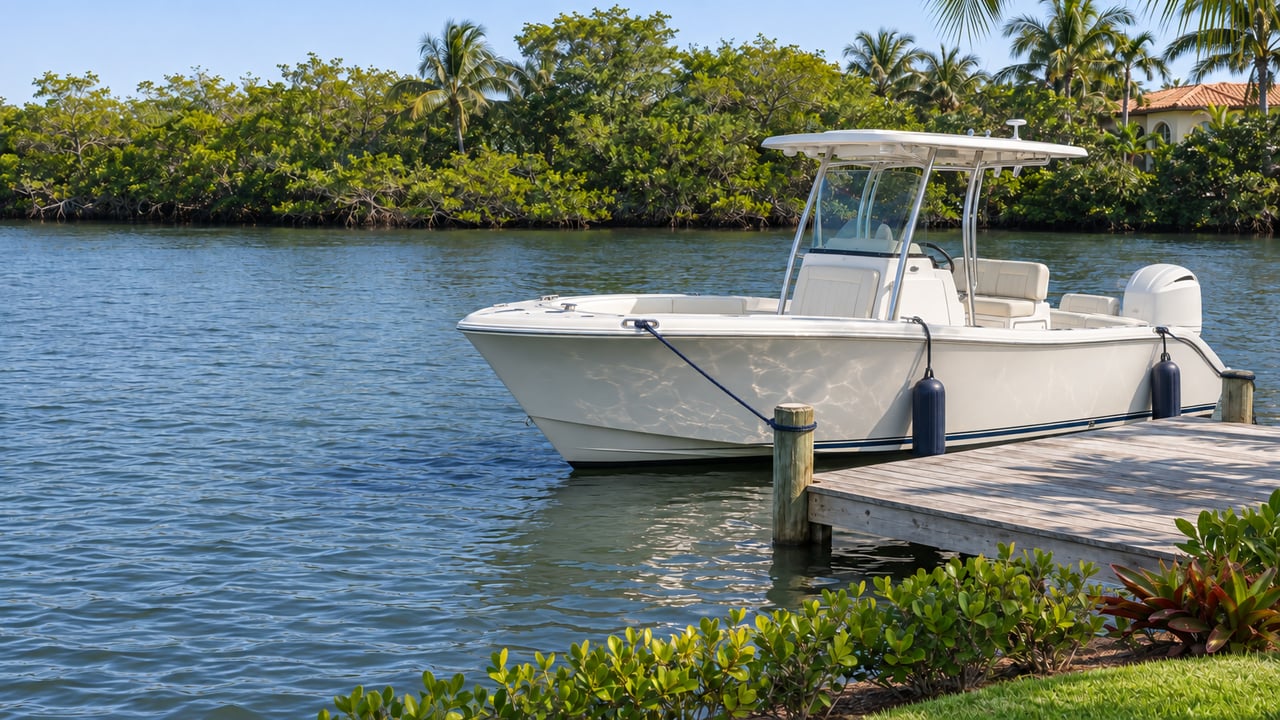
This is the most important point for buyers focused on boating. Recent listings show a mix of arrangements, including homes with a deeded dock and lift, homes with a separately deeded dock or boatslip, and homes marketed with community marina or boat-ramp access.
Some listings also mention limited boat or RV storage on a first-come basis. Others reference water, electric, or lift equipment at the slip, and at least one cites a separate boat-dock HOA fee. In other words, two homes in the same neighborhood can offer very different boating rights, costs, and convenience.
Questions to ask before you make an offer
If dock access is one of your main reasons for buying in Locks Landing, ask these questions early:
- Does the dock or boatslip convey with the deed?
- Is the slip separately deeded?
- Is dock access a community amenity, a limited-use feature, or a rental arrangement?
- Are there separate dock, marina, or storage fees in addition to the HOA?
- Does the slip include water, electric, or a boat lift?
- Is the lift sized appropriately for the boat you plan to own?
- How far is the slip from the home?
- Are there permit records for dock, lift, or seawall work?
- What flood zone is the property in?
- Is an elevation certificate available?
These questions help you move beyond marketing language and get to the real value of the property. If boating is part of your daily life, these answers can shape how satisfied you feel after closing.
Compare convenience, not just access
A home with dock rights is not always the same as a home with easy dock use. Some listings describe the dock as being around the corner from the house, while others place it in a separate marina area. That means convenience can vary a lot, even when two homes both advertise boat access.
If you expect to head out often, compare the walking distance to the slip, how gear gets from the house to the boat, and whether trailer or additional storage is available. You should also weigh whether the home sits on an interior lake lot, preserve lot, or another parcel type that may feel less directly connected to the marina side of the lifestyle.
Understand the boating route
In Locks Landing, buying for dock access is also about understanding the route to open water. The U.S. Army Corps of Engineers says the St. Lucie Lock and Dam is located on the St. Lucie Canal about 15.5 miles upstream of the intersection of the St. Lucie River and Intracoastal Waterway.
The lock normally operates from 7 a.m. to 5 p.m., with the last lockage beginning at 4:30 p.m. Lockage usually takes 15 to 20 minutes. That schedule matters if you picture frequent offshore runs or tight day-trip timing.
The Corps also notes that the Okeechobee Waterway runs from the Atlantic Ocean at Stuart to the Gulf of Mexico at Fort Myers. So while dock access is a valuable feature, your real boating experience depends on the slip, the route, and the lock schedule working together.
Nearby boating infrastructure adds flexibility
The area’s boating identity is reinforced by nearby public infrastructure. Martin County says Phipps Park Campground at 2175 SW Locks Road includes a boat ramp and dock on the Okeechobee Waterway.
That does not replace private dock access, of course. Still, for buyers who trailer occasionally or want another point of reference for local boating activity, it helps show that this part of Martin County is built around water access and navigation.
Verify rules before planning changes
If you are thinking ahead about adding a lift, repairing a dock, or improving a marine setup, do not assume future changes will be simple. Martin County states that a permit is required to construct a dock and or boatlift, and county dock-building materials say standards can cover materials, hardware, construction methods, and detailed drawings signed and sealed by a Florida design professional.
Florida DEP materials also indicate that some single-family dock projects may qualify for self-certification of exemption, while others may require broader review. The practical takeaway is that even repairs or upgrades that seem minor may still need formal review. It is smart to verify what exists now, what was permitted, and what you may be allowed to change later.
Preserve and wetland context matters
Some lots in Locks Landing back to preserve or wetland areas. Martin County says all wetlands are protected and uses buffer and preserve-area management rules to help preserve native habitat.
For you, that may affect more than landscaping. It can also influence future additions, lot improvements, and possibly certain dock-related or exterior changes depending on the property’s location and conditions. If flexibility matters to you, lot context deserves careful review during your due diligence period.
Inspect the dock like a real asset
A dock and lift should be treated as functional marine assets, not just attractive extras. Martin County’s permitting guidance points to the importance of construction details, and that should prompt a careful inspection mindset.
You will want to evaluate pilings, decking, fasteners, lift mechanics, and any dock water or electrical service. You should also confirm whether prior work was properly permitted. A beautiful house can still become a frustrating purchase if the dock system needs major updates soon after closing.
Flood and insurance questions to settle early
Waterfront-style buying always calls for clear flood planning. Martin County states that flood zones are not the same as evacuation zones, and that most homeowner policies do not cover flood damage.
The county also says flood insurance is required for federally backed mortgages on homes in Special Flood Hazard Areas that begin with A or V. Martin County participates in FEMA’s Community Rating System and, as of 2023, held a Class 5 rating, which can reduce flood-insurance premiums for some residents.
That means you should ask about flood zone designation, insurance requirements, and whether an elevation certificate is available before you finalize your numbers. The right home is not just about the purchase price. It is also about understanding the ongoing cost of ownership.
A smart way to evaluate Locks Landing homes
When you tour homes in Locks Landing, it helps to think in layers. First, evaluate the house itself, including layout, lot size, condition, and how well it fits your day-to-day life. Then evaluate the boating component with the same care.
A strong purchase usually checks both boxes. You want a home you enjoy living in and a dock setup that supports the way you actually boat, without surprises around fees, distance, permits, or scheduling.
Why local guidance makes a difference
In a neighborhood like Locks Landing, small details can change value in a big way. A separately deeded slip, a second fee structure, limited storage, or a less convenient marina location can all affect whether a home truly fits your goals.
That is where working with someone who understands Martin County waterfront buying can help you stay focused on the right questions. If you are considering Locks Landing and want a patient, detail-focused approach to evaluating homes with dock access, connect with Julie Cline for thoughtful guidance tailored to your move.
FAQs
What should buyers verify about dock access in Locks Landing?
- Buyers should verify whether the dock or slip conveys with the home, is separately deeded, or is offered as a community amenity, along with any related fees, utilities, lift equipment, and permit history.
How does the St. Lucie Lock affect boating from Locks Landing?
- The U.S. Army Corps of Engineers says the lock normally operates from 7 a.m. to 5 p.m., with the last lockage beginning at 4:30 p.m., and lockage usually takes 15 to 20 minutes, so timing can affect boating plans.
Do all Locks Landing homes come with the same boating setup?
- No. Recent listings show a mix of deeded docks, separately deeded slips, community marina access, and limited storage arrangements, so each property should be reviewed individually.
What permit issues matter for a dock in Martin County?
- Martin County says permits are required to construct a dock and or boatlift, and buyers should confirm whether existing dock, lift, or related marine improvements were properly permitted.
Why does flood zone information matter when buying in Locks Landing?
- Flood zones can affect insurance requirements and ownership costs because Martin County says most homeowner policies do not cover flood damage and federally backed mortgages in certain flood hazard areas require flood insurance.
How can preserve or wetland areas affect a Locks Landing property?
- Martin County says wetlands are protected and subject to buffer and preserve-area management rules, which may limit certain additions, landscaping, or future exterior changes depending on the lot.