Wondering what daily life in Port St. Lucie really feels like once the vacation glow wears off? If you are thinking about moving here, or you already know the city from quick visits, it helps to understand the rhythm of living in Port St. Lucie all year. From how people get around to where they spend weekends, this guide will give you a grounded picture of what to expect. Let’s dive in.
Port St. Lucie Feels Suburban and Spread Out
Port St. Lucie is best understood as a large suburban city with several activity hubs instead of one traditional downtown. Much of daily life revolves around planned neighborhoods, errands by car, and visits to parks or district-style gathering places.
A big example is The Port District, a 1.5-mile riverfront area along the North Fork of the St. Lucie River. It brings together open space, conservation land, playgrounds, parks, and entertainment venues. That setup gives the city a flexible, outdoor-friendly feel without the pace of a dense urban core.
Daily Life Centers on Key Districts
If you live in Port St. Lucie year round, you will likely find yourself returning to a few familiar areas for shopping, dining, and events. Rather than one single central business district, the city has multiple mini-centers that serve different purposes.
St. Lucie West for Dining and Outings
St. Lucie West is one of the clearest everyday destination areas in the city. It is known for its mix of shops, restaurants, casual nightlife, and proximity to Clover Park, where the Mets hold spring training.
For many residents, this is the kind of area that fits into normal weekly routines. You might head there for dinner, quick shopping, or a night out without needing to leave Port St. Lucie.
Tradition for Events and Errands
Tradition offers a different kind of energy. The Landing at Tradition functions as a major shopping center, while Tradition Square hosts recurring events such as the Sunday Green Market, Food Truck Fridays, and seasonal festivals.
That gives year-round residents another place to gather, walk around, and plug into community events. It also reflects how growth in Port St. Lucie has expanded westward into newer master-planned areas.
The Port District for Waterfront Time
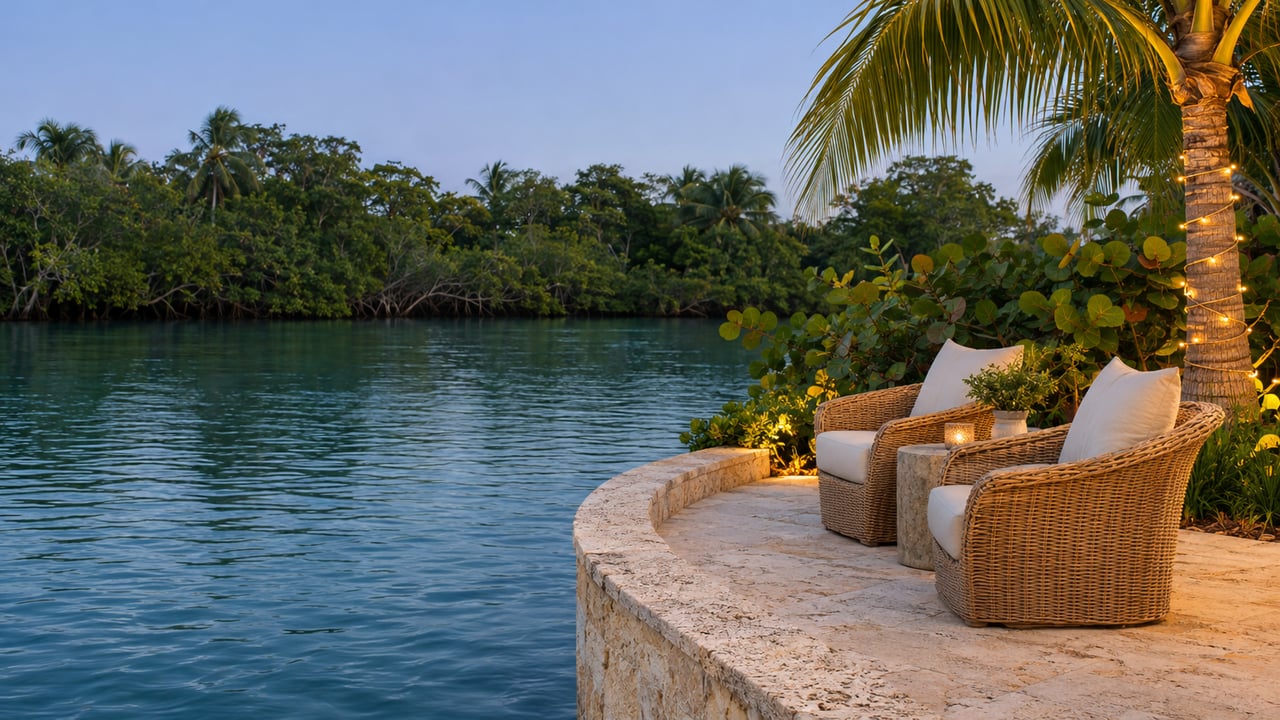
The Port District adds a more scenic layer to local life. Instead of being focused mainly on retail, it combines riverfront access, parks, open space, and entertainment.
If you enjoy being outdoors, this area helps explain the local lifestyle. It is less about rushing through errands and more about spending time near the water, meeting friends, or enjoying public spaces.
Outdoor Living Is a Major Part of the Lifestyle
One of the biggest reasons people enjoy living in Port St. Lucie year round is the easy access to outdoor recreation. The city and surrounding St. Lucie area support an active routine that can include trails, golf, river access, and weekend day trips.
Official tourism materials highlight activities such as kayaking on the St. Lucie River, camping at McCarty Ranch Preserve, and golf. Large recreational spaces also shape the city’s identity, including Torino Regional Park at 195 acres and Tradition Regional Park at 110 acres.
These parks are designed around trails, sports features, event space, and open green space. In practical terms, that means outdoor time can fit into your normal week, not just your vacation plans.
Beach Access Is Close, Even if You Live Inland
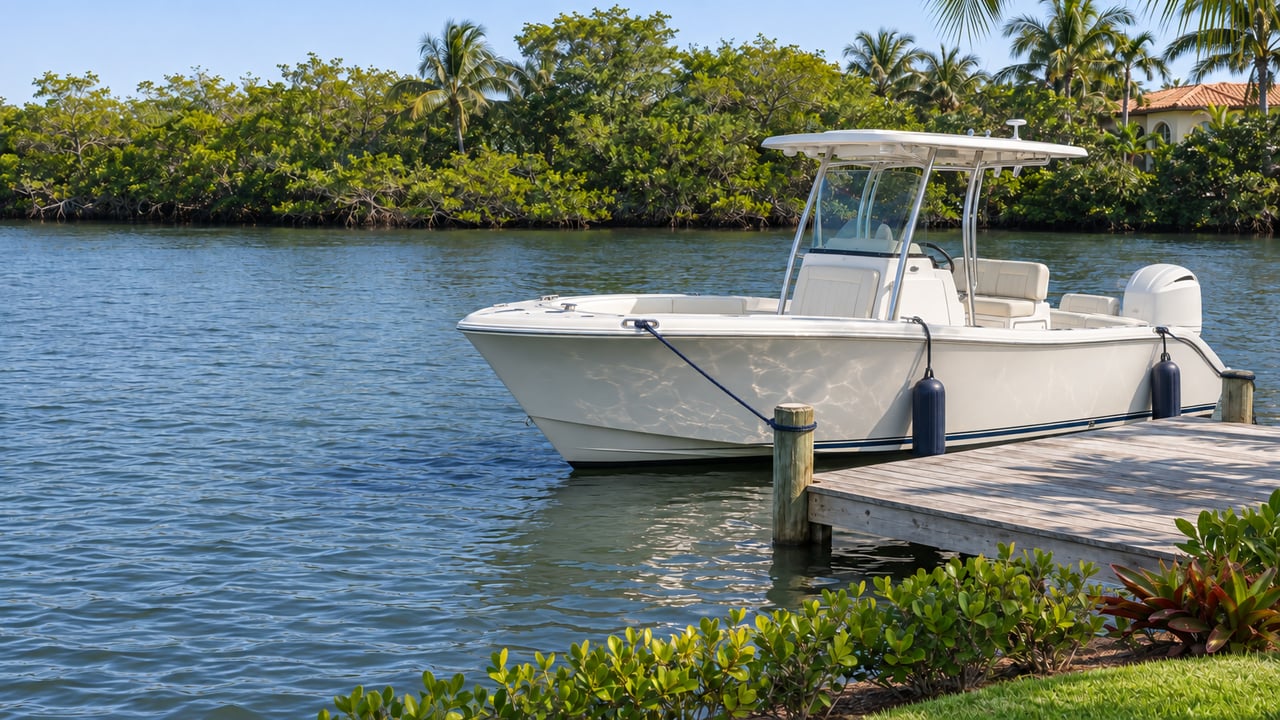
Port St. Lucie is not directly on the ocean, but year-round residents still have convenient access to coastal recreation. That balance is a big part of the appeal for buyers who want a suburban home base while staying close to water-oriented activities.
Across the wider St. Lucie area, you can reach public beaches, water routes to the Atlantic, marinas, and island destinations for day trips. County tourism materials describe North Hutchinson Island as a beach-and-trails destination with three state parks, while South Hutchinson Island is known for nightlife and seafood-focused spots.
This gives Port St. Lucie a flexible lifestyle. You can enjoy a quieter inland routine during the week and still make beach, boating, or fishing outings part of your regular schedule.
Most Residents Get Around by Car
If you are moving to Port St. Lucie from a more walkable city, this is one of the biggest adjustments to expect. Port St. Lucie is primarily car-oriented, and most people plan their day around driving.
According to Census Reporter’s 2024 1-year profile, 71% of workers drove alone, 17% worked from home, and public transit use was essentially zero. The U.S. Census QuickFacts page lists a mean travel time to work of 30.5 minutes for 2020 through 2024.
That said, transit options do exist for specific needs. St. Lucie County’s ART system is fare-free and serves Port St. Lucie, and the Port Saint Lucie Express provides weekday coach service between Port St. Lucie and West Palm Beach from the Gatlin Boulevard park-and-ride.
Housing Feels Mostly Single-Family and Residential
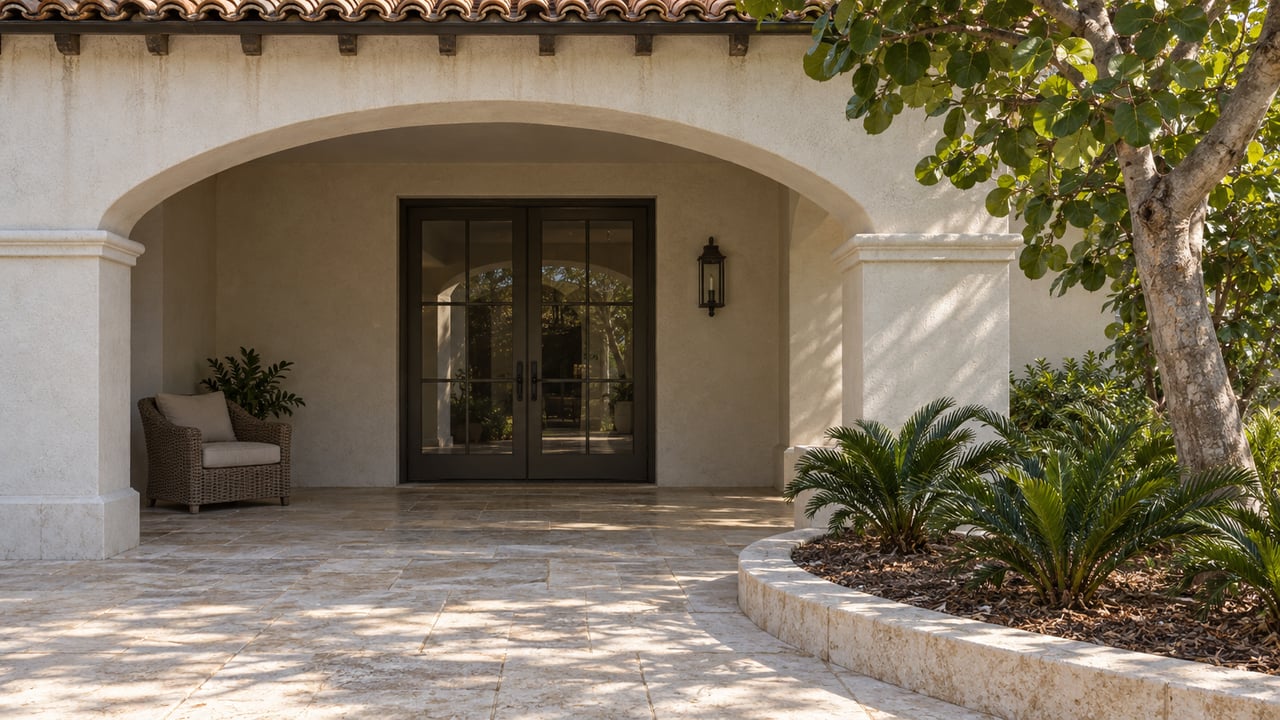
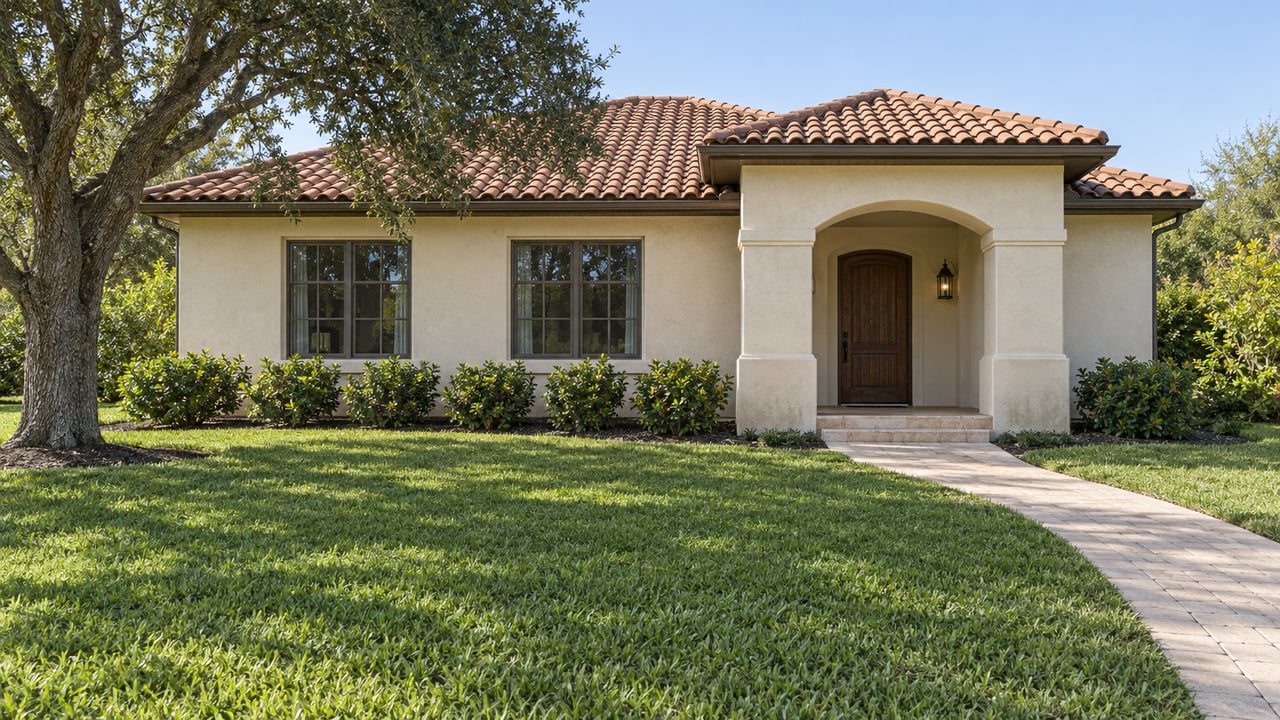
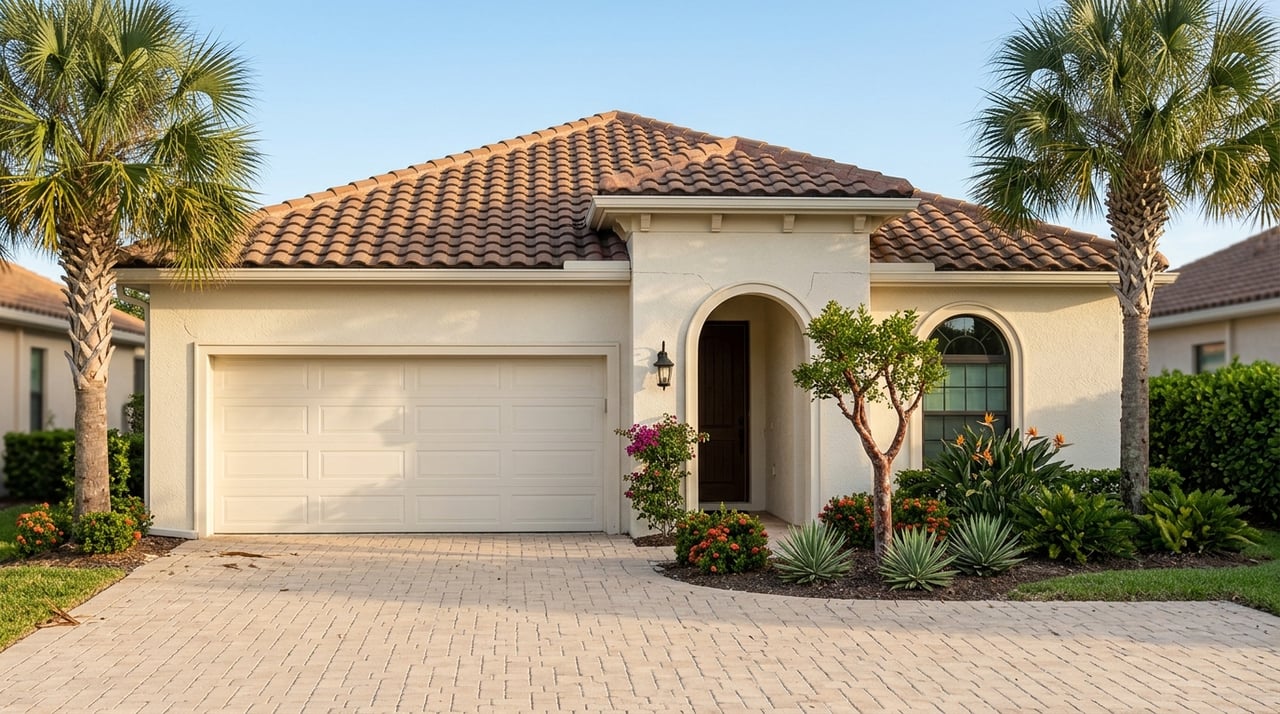
The city’s housing stock strongly shapes how Port St. Lucie feels day to day. This is not a condo-heavy or high-rise environment overall. Instead, the visual norm is a single-family home in a subdivision or master-planned community.
City housing materials report that about 91% of the housing stock is single-family, while about 8% is multifamily. Census Reporter similarly shows 90% single-unit structures and 82% owner-occupied housing.
For buyers, that often translates into streetscapes dominated by detached homes, driveways, and neighborhood layouts designed for residential living. Townhomes, condos, and manufactured-housing pockets are part of the mix, but they are not the defining look of the city.
Port St. Lucie Is a Newer-Feeling Community
Compared with some nearby Treasure Coast areas, Port St. Lucie tends to feel newer and more planned. The city’s own housing report notes that Port St. Lucie is a newer community than Fort Pierce, and that growth has moved westward into master-planned areas such as Tradition.
That newer feel shows up in the layout of neighborhoods, the district-based commercial areas, and the overall suburban pattern. If you prefer a setting built around newer development and organized community hubs, Port St. Lucie may feel like a strong fit.
How It Compares With Nearby Areas
It helps to compare Port St. Lucie with nearby communities so you can picture the lifestyle more clearly. Based on official local tourism descriptions, each part of the Treasure Coast has a distinct feel.
Fort Pierce is described through its historic architecture, galleries, boutiques, performing arts center, and marina. North Hutchinson Island leans into beaches and trails, while South Hutchinson Island is known for seafood and nightlife.
By contrast, Port St. Lucie reads more like an inland suburban hub with water access and several planned districts for daily life. If you want room to spread out, neighborhood-style living, and easy access to outdoor recreation, that combination may be exactly what you are looking for.
Who Usually Enjoys Living Here Year Round
Port St. Lucie can appeal to several types of buyers because it blends suburban housing, outdoor recreation, and access to the rest of the Treasure Coast. Many year-round residents are looking for space, a steady daily routine, and practical access to parks, shopping, and water activities.
You may especially enjoy living here if you want:
- A primarily single-family home environment
- A suburban layout with multiple shopping and dining districts
- Regular access to parks, trails, golf, and river recreation
- Beach day flexibility without living directly on the ocean
- A newer-feeling community with growing master-planned areas
What to Keep in Mind Before You Move
No city is one-size-fits-all, and Port St. Lucie is no exception. The same features that attract many buyers, such as a spread-out layout and neighborhood-focused development, may feel different if you are used to a denser downtown or a more walkable daily routine.
The key is matching the city to the life you want to live. If your ideal week includes home-centered living, easy driving access to amenities, and frequent outdoor time, Port St. Lucie offers a strong year-round lifestyle on the Treasure Coast.
If you are considering a move to Port St. Lucie and want help finding the right neighborhood, home style, or lifestyle fit, Julie Cline can guide you with local insight and a thoughtful, client-first approach.
FAQs
What is daily life like in Port St. Lucie year round?
- Daily life in Port St. Lucie is generally suburban and car-oriented, with routines centered on neighborhoods, parks, shopping districts, and outdoor recreation.
Is Port St. Lucie a walkable city for full-time residents?
- Port St. Lucie is not built around a walk-everywhere layout, and most residents rely on cars for commuting, errands, and everyday activities.
What outdoor activities are available in Port St. Lucie?
- Year-round outdoor options include kayaking on the St. Lucie River, golf, camping at McCarty Ranch Preserve, and time at regional parks with trails, sports features, and green space.
How close are beaches to Port St. Lucie residents?
- Port St. Lucie residents have convenient access to beaches and coastal destinations in the wider St. Lucie area, including North Hutchinson Island and South Hutchinson Island.
What kind of housing is most common in Port St. Lucie?
- Single-family homes are the dominant housing type in Port St. Lucie, making the city feel primarily residential and suburban.
How does Port St. Lucie compare with Fort Pierce?
- Port St. Lucie generally feels newer and more suburban, while Fort Pierce is described by local tourism sources as more historic, arts-oriented, and marina-centered.